August 27, 2009

Urban Foraging

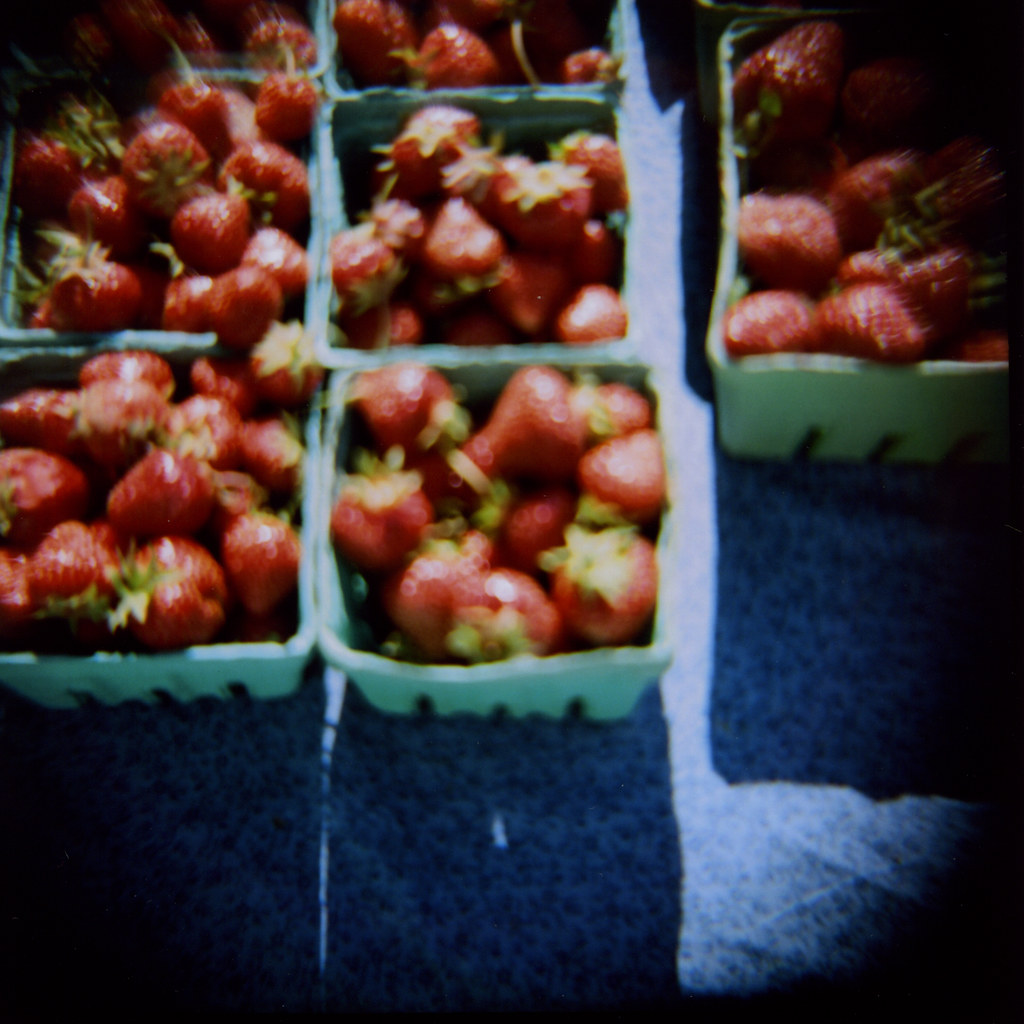
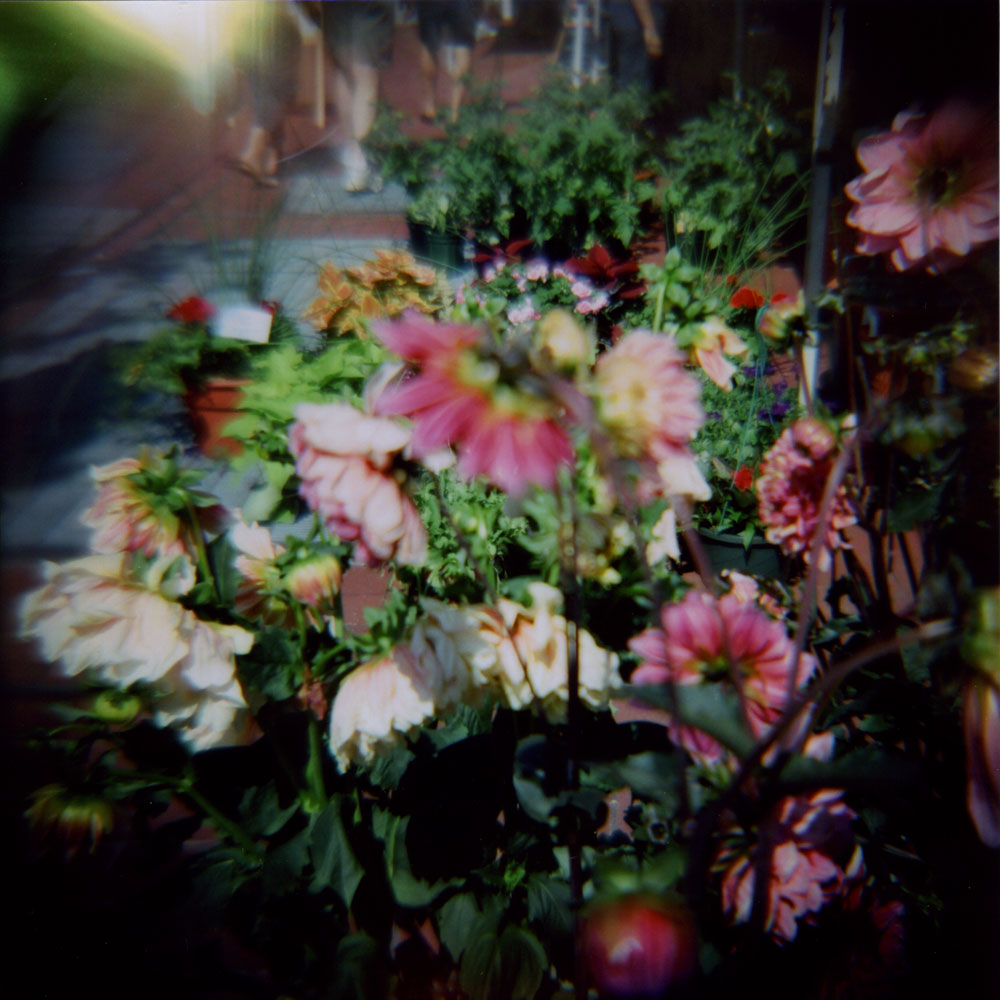
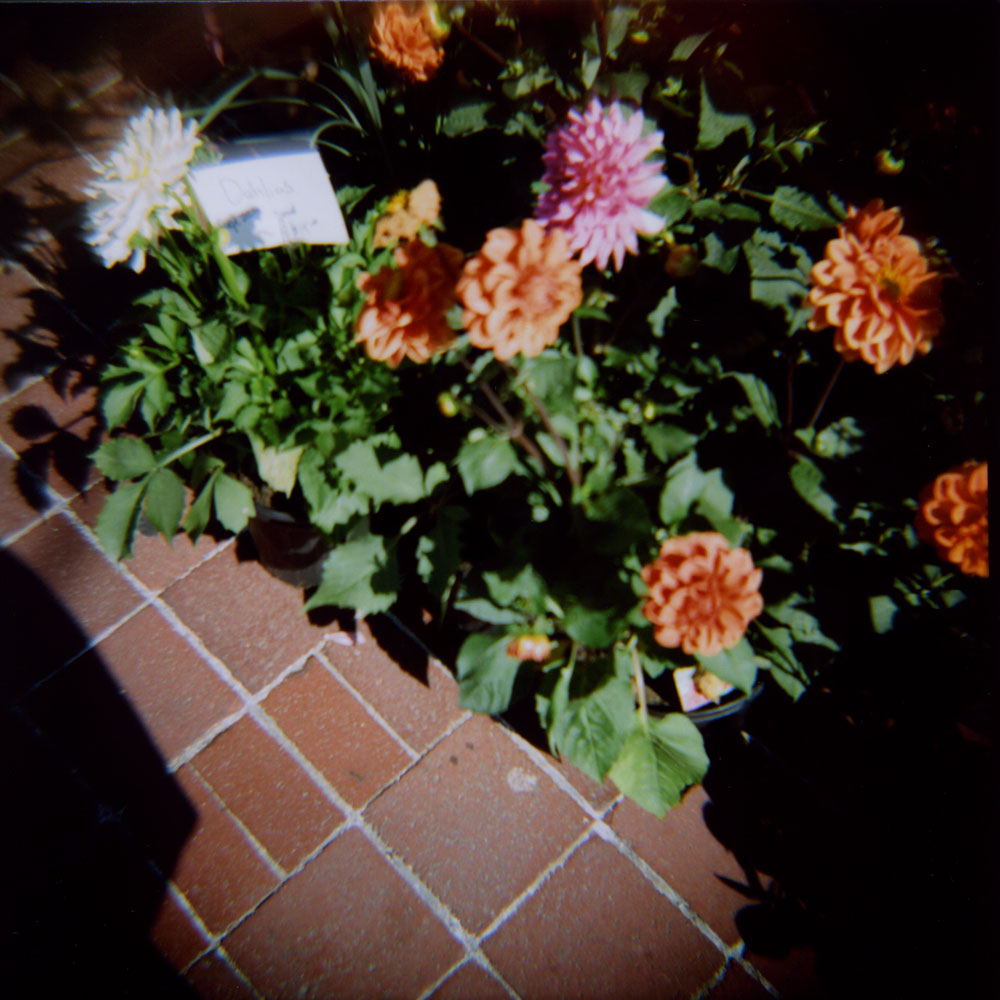
foraging: tomatoes

I often fantasize about giving up the city life with all its conveniences and moving to the country to live off the land. I will have a thriving organic garden and happy goats.

When I yearn for this idealized future, I watch a BBC show called River Cottage. The show chronicles Hugh Fearnley-Whittingstall's journey from a full-time city dweller to a countryside farmer. Through a series of episodes he demonstrates how interdependent the farmer (played by him) is to his neighbors, the community, the land, and the countryside. He paints an idyllic life in the picturesque English countryside- you know the one…think All Creatures Great and Small.

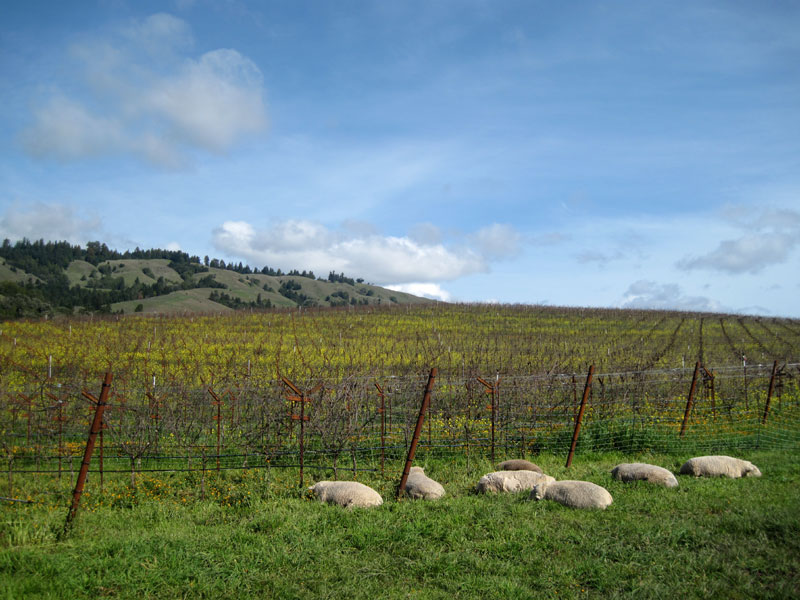
searanch: navarro- sheep!

My city life enables me to practice the profession I love, draw inspiration from the cultures around me, and allows unparalleled convenience to whatever strikes my fancy. What was missing from my life was that the cityscape seemed like a vessel for things I want to consume. I felt disconnected from the land around me. Although I have a tiny garden of tomatoes, peppers and various herbs on our small patio above the street, it was learning about urban foraging that scratched that itch.

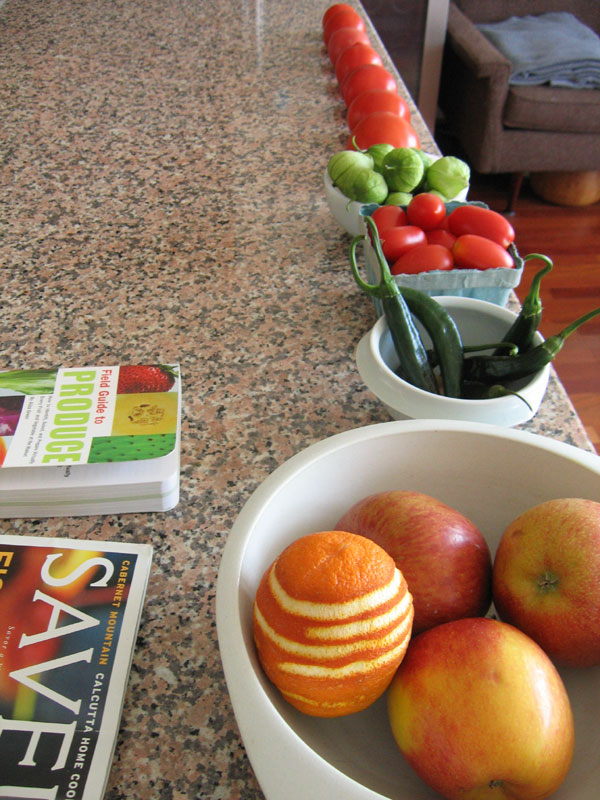
foraging: counter

It all happened one night when I was watching the episode The Wild Larder. In this episode Hugh and his cronies scour the countryside, hills and rivers foraging for wild food. They hunt for mushrooms, wild greens (ramps, watercress, and such), fish and game. The bounty of a healthy environment spills beyond the confines you set for it. Hugh made me realize that I had been myopic. Bounty lays beyond your small holdings in your great surroundings - my perception just had to change. It was in that moment that I realized the similarities my current city life shared with my dream of a country farmer life. My patio garden could be my small holding and the urban fabric beyond could be my Wild Larder.

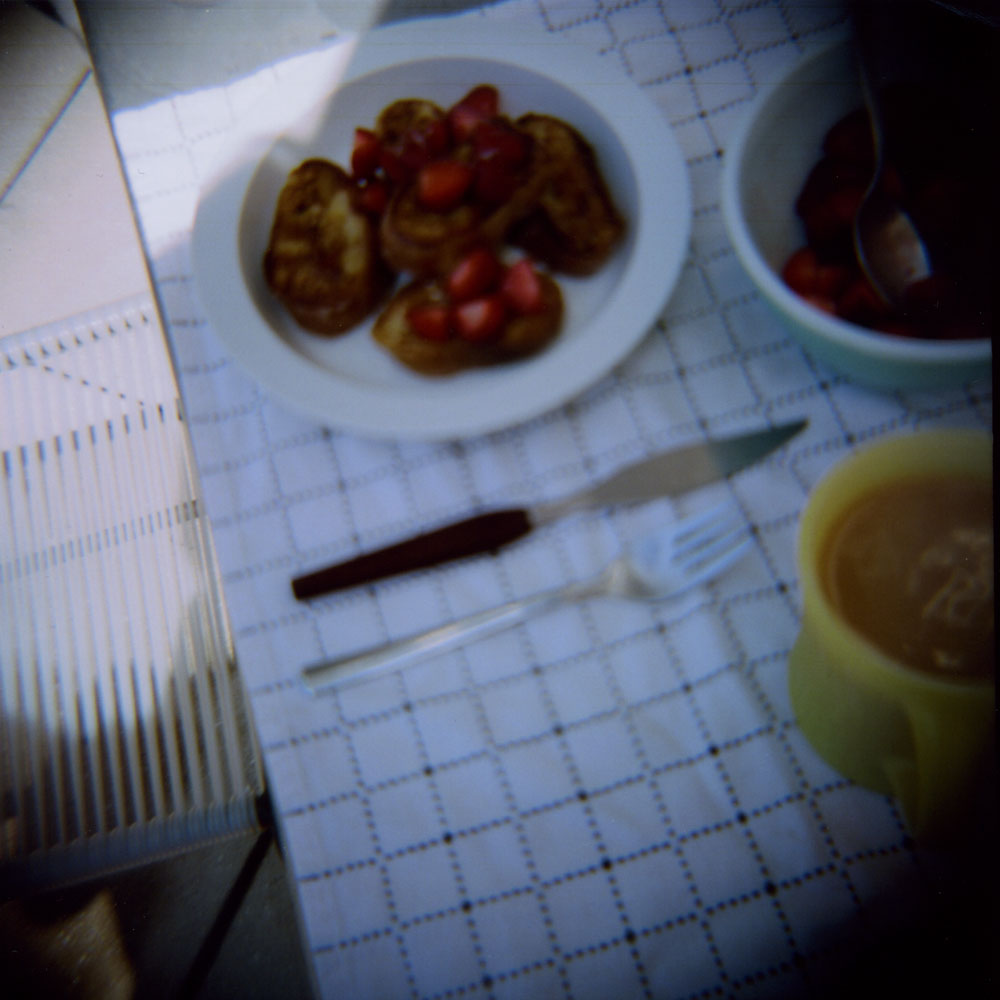
july12: bfast

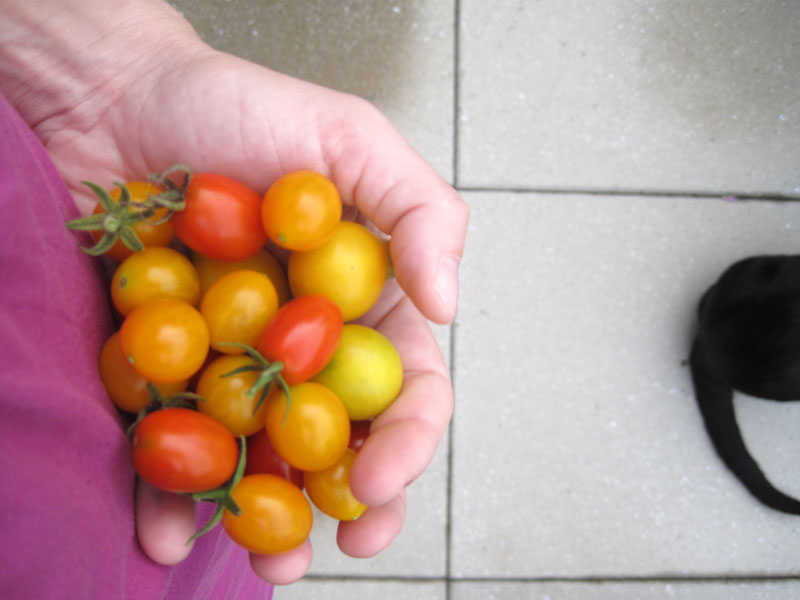
Urban food foraging involves identifying foods within your city- most often fruits and berries, which are edible and free for the picking. The resurgence of urban foraging is relatively new and goes hand-in-hand with the resurgence of urban farming.

There are numerous websites on the practice foraging, including foraging.com, but the one of the best is the Urban Edibles out of Portand. Urban Edibles helps foragers navigate the unfamiliar physical and ethical landscape.

Here are some guidelines they list:
  • Don't take more than you need. A tree full of ripe black cherries can be really exciting but how many will you use before they go bad?
  • Ask permission before you pick. We do not condone unsanctioned harvesting practices or trespassing.
  • Pick in a balanced and selective manner. The last thing we want is to damage the sources from which we harvest!
  • Watch out for pesticides and other contaminants. Paint chips, pesticides, motor oil spills and even car wash runoff can affect the quality of the sources you pick from.
sept2

August 13, 2009

adventures in green babyhood

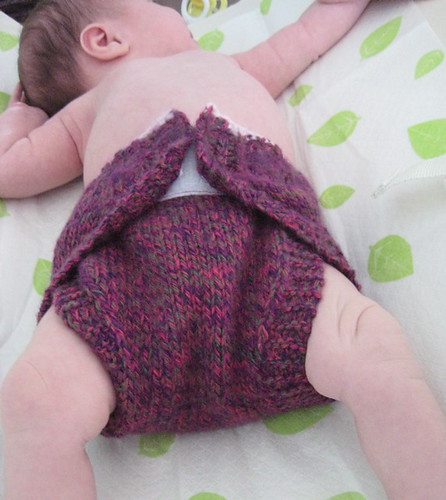
bootie2

Being a professional environmentalist as my day job, I always figured that when our baby came along, I'd just naturally be the greenest parent in town. No stress - I'd just know which products to buy or avoid, how to find them, and I'd have boundless energy to explore the greenest ways to raise our Little Pea. Ha, ha. I do know some wonderful parents who fit that description, but despite my best intentions, and my own expectations, I am sadly not one of them.

But I do really, really care about sustainability, the environment, and in particular how pollution affects children's health. So I am struggling to make this green parenting thing work. For those like me, here are a few things I've been able to make work. And for those who fit the green parent profile better than I, please please share some of your suggestions in the comments!

breastfeeding
Breastfeeding is absolutely the most affordable and sustainable way to feed a baby, not to mention the healthiest. The decision to breastfeed is probably the most important step we've taken in terms of sustainable babyhood. I realize that there are many reasons that some families are not able to breastfeed, and nobody should feel guilty if they can't, but I am very grateful to be able to feed the Little Pea this way.

Baby formula is a multi-billion dollar industry in the United States, is typically made from soy or cow's milk. Soy and dairy are both huge agricultural industries with all the associated pollution and energy problems that you already know about, not to mention all the packaging, shipping and waste that buying such a product entail. How wonderful that our bodies almost always make this product unnecessary!

gifts
People always want to give you baby gifts, no matter how much you protest or try to avoid it (at least, I tried to). I didn't want people to buy things we didn't need or want, or that contained toxic plastics, etc. But I also found it very hard to say to people, "Don't get anything, but if you do, you have to do a lot of research and spend a bunch of money to get us something that meets our values."

Thankfully, I have an awesome sister, who organized a green baby shower. She asked people to give us hand-me-down or hand-made gifts, or if they bought something, to please consider organic and non-toxic products. It worked beautifully. Many of our friends and family gave us copies of their favorite books from their childhood, something wonderful that they made, a big box of hand-me-down clothes from their kids, or something great they found at the thrift store. We also got lots of organic blankets, burp cloths, etc. I could never have asked for this (there's something too Puritanical about me), but my sister did a wonderful job with it.

stuff
Before the Little Pea was born, we got some great advice from a friend: to never, ever turn down an offer of hand-me-down baby stuff from friends or family. As a result, we have more baby clothes than one baby could ever wear, and we've had to buy almost nothing. Friends have given us a crib, co-sleeper, stroller, high chair, tub, baby seats, toys, books, blankets, towels... it's amazing how many times these things can be used, by so many babies, before they ever begin to even show any wear. We are lucky to have a big community of friends with little ones. Even if you don't, because your family is small or you're new in town, you can get much of what you need from thrift and consignment stores, saving oodles of money and reducing a lot of waste.

diapers: We've covered this area a lot already on Sew Green -- check out earlier posts on diapering here and here.

I am really interested in other folks' strategies for green babyhood. And I'm particularly looking forward to learning more about stuff like making baby food, toys, and how to communicate your values to kids' friends and grandparents. No parents are born knowing how to do all this stuff, and supporting each other has been critical for me - thanks to all of you for sharing what you've learned, too!

August 8, 2009

(tap tap tap) Is this thing on?

Ok, so it's been a while hasn't it? The world has gotten crazy, then awesome, then crazy. Honestly it is my goal in life to dial the knob to awesome and then break it off so really, it's a good thing.

So if you don't remember me or if you don't know - a brief bit of info for you all in the blogosphere! My name is Amber Clisura and I am a fashion designer who takes a special emphasis on renewable, sustainable, and eco technology as applied to the craft of fashion. I worked most recently with Del Forte Denim and Mission Playground. I am currently freelancing in the San Francisco Bay Area and you can see my work here.

I feel that fashion (and that is all fashion, jewelry, accessories, and shoes) is yet another one of the many places where to be sustainable and eco has been an uphill battle. Only in the last few years has green become synonymous with "hip" with everyone from Chloe to Seven getting on the bandwagon. Today I wanted to scale it back a little to some homegrown peeps who started a artist collection called "Social Entropy" and who are staging their first fashion show this weekend, August 8th, at the Oakland Metro. I also wanted to shine the spotlight on one of their featured designers Rhiannon Jewelry.

Rhiannon Jewelry was started by Shannon Haire in 2000. Rhiannon Jewelry specializes in creating one of a kind, custom pieces. She does limited edition lines with wedding sets and her signature gun necklace and the bullet lines. Most recently she started using semi-precious and precious stones in her sterling silver and gold fine jewelry lines. Never one to say no to something shiny Swarovski crystal has also made it into some of her more whimsical pieces. Most recently with the eye towards green reaching the jewelry world Shannon as started to employ recycled and organic materials ranging from bullets to recycled vinyl records and antique keys. Her fine skills are not lost on those in the know. Her fine craftsmanship has been utilized by the likes of Tori Amos and her jewelry has been worn by Samia Doumit in the movie "The Hot Chick."

I had a chance to sit down with Shannon at Cole Coffee in Oakland to talk about the show and how she feels about the eco movement within her line of work.

So Shannon, why recycled? Do you feel it has a place in somewhere like jewelry?

I think recycling is important in everything. For most people jewelry is a luxury product so I like the idea of building it out of materials that are organic or once discarded. Elevating the discarded to divine.

Speaking of devine, your labradorite necklace is quite stunning. Are your stones produced sustainably?

I love using sustainably produced stones in my custom work, and find it important stress to my clientele that it is very important to do so whenever possible. Unfortunately the price point is so prohibitive for most people that I instead try to use stones for my ready to wear line that are purchased locally though through small businesses in the bay area, rather than on line or at trade shows. That's also where the idea for the recycled line came into play.

I was wondering what could have attracted you to the idea of using bullets in jewelry.

I really liked the idea of taking something that most people think of as ugly and destructive and transforming them into things of frivolity and beauty.

Tell me more about your process with the recycled pieces.

Well, bullets are always recycled. Mostly fired and collected by me as well! I've also been into using recycled records lately too - just because so many think that Vinyl is obsolete. I pair the vinyl disks I have with antique and recycled broaches or vintage sterling silver pieces. There are also many pieces with real branches and leaves that have been dipped in silver. A way to evoke the green without using hemp and clay beads! I've also been quite fond of utilizing reclaimed wood, bone and seeds as elements in my jewelry making.

I know, as a designer, it gets tough every day trying to make - what keeps you going? How do you not make the same thing all the time (cause god knows I make that damn shrunken vest every two years!)

Day to day I look for ways to take traditional ideas and turn them on their heads. That's the inspiration for a lot of it. Also, natural colors, leaves and branches, brick...I like both the super-industrial and the sparse open spaces in nature. In terms of my work I always recycle and refurbish my peices. If I don't like them or customers aren't responding to an idea - I take them apart or rework them. Constantly trying trough making to get to the ideal idea. It keeps a fresh outlook for me and moves more with contemporary fashion.


Contemporary fashion and eco still seems so hard for me to put together. Trends are speedy and disposable, sustainability is at total odds with that. What is a challenge facing you as a jeweler in this environmentally conscious times?

Trying to find a balance between fair trade and the love I have for stones in general is always a challenge. So many people are hurting in this economy and cannot afford even inexpensive jewelry - and when you get into fair trade, all costs go through the roof. Finding a compromise is really challenging. In fact, making jewelry at all commercially in these times is challenging...I just hope for the best and try to keep costs low.

So, Damask Boudoir and Social Entropy eh?

Social Entropy has a grand vision and the people involved have the willingness to try it out. Their vision to create something that not only benefits the people involved, but also gives back to the community is great. It also has an edgier vibe which appeals to my nature and excites me. I hope that Social Entropy achieves their goals and am excited to be part of it.

I wanted to sit down with the organizers of Social Entropy but could not get our schedules to work out. Instead I was able to email back and forth with two of the creators, Tania Seabock and Christine Hill.

Social Entropy was started as a way to get like minded individuals together to create. It was important not just as artists to get back to the collective but as people to really join back together into community to draw together as well as inspire.

The Damask Boudoir is their first experiment as a collective. The show is being held at the Oakland Metro Opera House this Saturday, August 8th, 9pm - 2am. In an effort to bring together all sorts of different artists Christine and Tania (both a jewelry and painter respectively) decided to call on their wide knowledge of artists around them. "We wanted to do something with our friends!" writes Christine "Everyone is so talented it didn't make sense there wasn't a place for us to show off and be sucessful at it!" explains Tania.

The night has various recycled runway pieces and fashion lines as well as a full array of regular fashion and couture wear as well. Other designers include Dollymop, Pieces by Anna Quinones, Luma Gallegos, and Erika von Petrin. Performers include soprano singer Diva Marisa, Rev. Mother Joseph, with dancing numbers by the Black and Blue Burlesque dancers, blackhoodygrrl, and MAN-A-SAURUS-REX. Not to mention Rhiannon Jewelry and a bevvy of other amazing vendors and craftpersons!!

Hopefully if you're in the bay area you might get a chance to go out and see this show - especially since yours truly is leaving for two months and will be missing it!!

Social Entropy Presents:
The Damask Boudoir
Saturday, August 8th
9pm to 2am
The Oakland Metro Opera House
630 3rd Street, Oakland
(between Martin Luther King & Jefferson)

Shannon can also be found teaching jewelry classes twice a month for Baubles and Beads, on Shattuck in Berkeley,CA.

August 1, 2009

more diaper talk

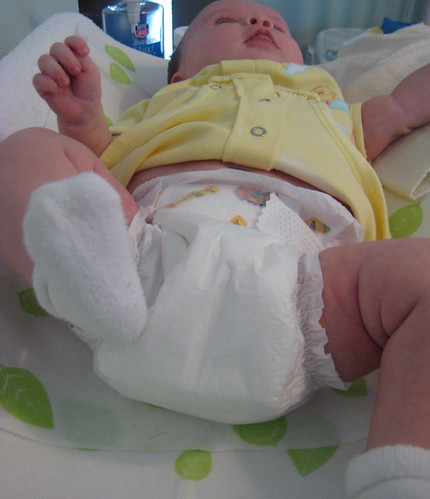
wrapper disposable
cloth v. disposable - the discussion goes on...

I never thought I'd engage in so much talk about diapers. Back when I was single and when the new little one in my house wasn't even a twinkle in my eye yet, I used to get really aggravated at all the diaper talk that would take place among the mamas in my book club. Discussions about plot and character were routinely subverted by diaper chat. Who knew these yucky little waste landing-pads could be such a rich topic of discussion? And yet, here we are. How things do change.

So there's a sweet new baby in my life, which means my partner and I had to figure out what to do about diapers, and Lisa's recent post on the subject prompted me to write this follow-up. Like Lisa, I leaned towards cloth from the first, because the mountain of trash from disposables blows my mind, and because cloth just feels better and more natural to me (hey, it's what my mom used). But I also wanted to make a really responsible environmental choice, and diapers - whichever kind you choose - carry a huge environmental impact. As I came to find out, cloth and disposable are pretty much equally bad for the planet. So you get to make your choice based on what's best for your family, and then you just have to do penance in some other way for what you're doing to the earth. Like not have any more kids. Ha ha!

Before the Little Pea was born, I signed up for a local diaper service - two working parents just weren't going to be able to swing washing our own diapers, and our rather aged washing machine would waste so much water in the process that it seemed doubly crazy to wash our own. I'd heard all the talk that cloth is just as bad as disposable for the environment because of water use and detergent, but I'd always pooh-poohed it. I once even accused a friend of perpetuating diaper industry propaganda (all in good fun). Cloth had to be the way to go for us.

The Little Pea came two weeks late, which gave me some time for all sorts of distraction, including finally reading about diapers and their environmental impact. My favorite eco-advice guru, Umbra Fisk, has a great video blog post on this subject, and in another column points out a life-cycle analysis conducted by the Environment Agency UK, which (like every other decent study I've ever heard of) found that basically, it's a wash. One the one hand you have paper and plastic manufacturing and waste disposal, and on the other you've got lots of water and energy use. Pick your poison.

If you live some place where there is a terrible water shortage, then I'd say disposables are the more eco-friendly choice, and just be sure to use the greenest ones that work for you. But if you live someplace with abundant water and a terrible shortage of landfill space, cloth would be the eco-friendlier choice (especially if you use good detergent and dry them in the sun). But all things being equal - just pick the one you like better. Or pick Elimination Communication, if you are that kind of amazing person. I am humbled by you folk.

At our house so far we've found that cloth diapers are nice and cushy on our baby's delicate skin, and they really are no big hassle, as long as you have good reliable diaper covers to prevent any leakage (the adorable wrap-style diaper covers that I knitted sadly do not fall into the reliable category - we are using Bummis and Thirsties now). However, we've also found that disposables are great for overnight, and for travel to Grandma's and such (as my partner says, this way we get to diversify our impact - ha ha!). I am conducting my own experimentation with the various brands of eco-friendlier disposables, but check out this great review on Grist. I've found that cloth diapers necessitate far fewer baby wipes, and (like Lisa and Hayley) that they are great for wiping up all kinds of messes, baby-related and otherwise. Especially since someone else washes them for me.

So the bad news is, all diapers are bad for the planet. The good news is - you can make this choice based on whatever is right for your family, and not worry about the environmental impact. Isn't that a relief once in a while?

July 30, 2009

(sub)urban chicken keeping. part I

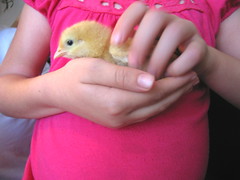
a little over a year ago, and after much consideration and research, we brought home three young chicks and started on a new journey as backyard chicken keepers.

peep

i must admit, i didn't quite know what we were getting into. i had a romantic notion of backyard chicken keeping - of gathering fresh eggs in the morning, and having my girls scatter feed in the yard while the chickens played at their feet. i also had an overwhelming desire to to revolt against the (sub)urban lifestyle so prevalent in los angeles. to balance out the media blitz my girls see everyday (even without television viewing) with some "livestock". finally, with the girls on summer break, and myself newly relocated to a home office - i thought the time was right.

we thought about it carefully, and decided to purchase the chicks from our local feed store, instead of through one of the many mail-order chick and pullet distributors. our neighbourhood. is hot. very hot. i was very concerned that chicks arriving to us in july from the east / mid-west would be shocked by the temperatures they were confronted with. our feed store gets their chicks locally. and did not pass on the young peepers easily. they were also concerned that we knew what we were doing and not simply acting on a whim induced by the cute fluffiness before us. i was impressed by their concern - their knowledge and support - and their offer of taking back a rooster, if one of the young'uns proved to be so inclined.

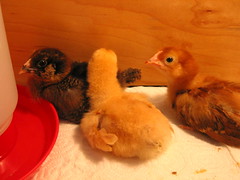
following procedure outlined in the many books in our chicken library, my husband built a "brooder box" in advance and we set-up in a corner of our dining room. we used an old floorlamp for heat and carefully monitored the chicks water and mash intake. it was thrilling for my girls to wake to these little peeps. and a little frightening watching how they would simply flop over and fall asleep!

1 - 2 - 3

of course we named them: little red (a rhode island red) - the curious one; chick-a-dee (a buff wyandotte) - the little sister, always trying to get someone to play with her; and annie (an aracauna, we think) - as in oakley - (or fluff, depending on who you ask) who is very brave, a great performer, but also very cautious.

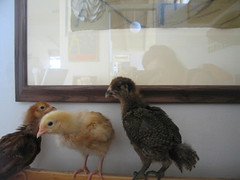
the chicks grew quickly, their feathers started to come in, and little combs started to appear on top of their heads. they were soon trying out their wings in flights from the box to the nearby table, or on occasion to an unsuspecting visitor's shoulder. their personalities started to shine, and they quickly won our hearts.

3 amigas

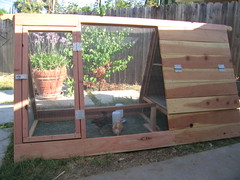
it was soon time for their move outdoors. after much research, we decided against a permanent coop, and opted for a "tractor" instead. the thought behind this being that we can move it around the yard, fertilizing as we go. we looked at what was available commercially (and were tempted by this), but felt that d could build one that answered all our criteria and was budget-minded as well. we needed a safe place for the chickens to sleep, with good ventilation (the henhouse) and a safe area for them to play and eat in during the day, with extra shade for our hot summers (the run). we also wanted to take advantage of the byproduct of all the food the chickens consume (and they do like to eat!). we settled on a variation of the many "ark" images we found. the droppings in the henhouse fall into bedding of shredded newspaper and all that can go straight into our composter, and the droppings in the run go right on our "lawn". the henhouse contains a perch for them to sleep on, as well as a nesting box, for laying. the run serves and protects them when we aren't home, thought they spend most of their time roaming the yard.

cooped up

for the most part, the romance is there. but it is so much more - and better - than i imagined. they started laying at about 7 months of age, and yes, we get, on average three fresh eggs every day. (chickens lay on a cycle of approximately every 28 hours - if conditions are right.)

three for three

but the best part i think has been seeing how my girls have taken to them - and vice versa. the chickens are very social, have a lot of personality, and are highly domesticated. i am never surprised to see a 5 year old tramping around the yard with a hen under each arm, or an 8 year old quietly telling a chook all her secrets.

Up next: The logistics of it all, the pros and cons to our urban "farm", backyard chicken resources, and answers to any questions you may have! (Please leave questions in the comments - thanks!)

July 23, 2009

Book Review: Farm City

growing.
Photo of her allotment garden graciously provided by Kim. Click the photo to see more of her garden photos on Flickr.

Within the first 25 pages of Farm City, I had laughed out loud numerous times and gotten teary once, a sure sign to me that this would be a good book. And it was. Novella Carpenter tells the tale of how she became an urban farmer, harvesting fruits, veggies, honey, eggs, rabbits, turkeys and pigs in an economically down-and-out part of downtown Oakland, California. She weaves research discoveries in with life discoveries, interactions with those around her, and her family history. It is an entertaining (guffawing on public transportation) and inspiring read, and it is intense.

Carpenter, like most farmers, I am guessing, has (or has developed) a certain toughness. She's a brave, can-do kind of gal. A pioneer. I admire her seeming ability to connect with all kinds of people and animals and yet retain a level of detachment. It was at times uncomfortable for me to read the descriptions of the killing of her meat animals. Her descriptions certainly demonstrate though, the huge effort it takes to carefully raise, kill and process an animal.

Now and then in my over my 25 years as a vegetarian, I have considered eating meat again. I would only eat meat if I could do it responsibly—knowing the animal was raised humanely and in a way natural to the animal (ie not feeding a cow corn for ex), knowing the animal was killed in a respectful way, and knowing neither the animal nor the meat have been trucked too many miles. I can fully appreciate the satisfaction Carpenter derives from eating and sharing meat that she has spent time, labor, struggle and enjoyment producing. The eating must become so much more meaningful, so much more thoughtful and valued, even ceremonial. Carpenter's tale proves there is much knowledge and wisdom to be gained from each part of the farming process. (Nevertheless, and despite enticing bacon and sausage aromas, I don't think I'll be converting to meat eating any time soon.)

Farm City is an engaging mixture of storytelling and information sharing. Living in the Bay Area, one hears so many rumors and sensationalistic news bits about the "bad" parts of Oakland. It is refreshing to get a more realistic and personal perspective on living in one of these infamous neighborhoods. Also fascinating are the tidbits about animal behavior/biology and about the long history of gardens and farms within cities all over the world.

With so many people struggling to buy healthy food, it is strange that public spaces, backyards and abandoned lots are not filled with edibles instead of (or at least alongside) decorative flowers. There could be so many more gardens and so much more fresh produce shared/consumed. Hopefully—especially if this economic situation continues—we will have another big Victory Garden-esque garden and farm b(l)oom. And actually, here in the Bay Area, San Francisco Mayor Newsom recently issued a sustainable food mandate that addresses the use of public space for food production!


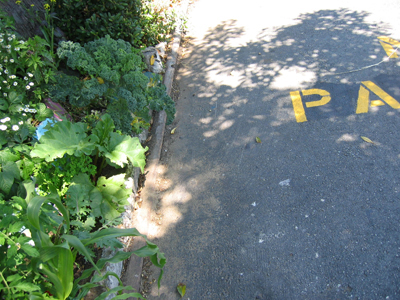
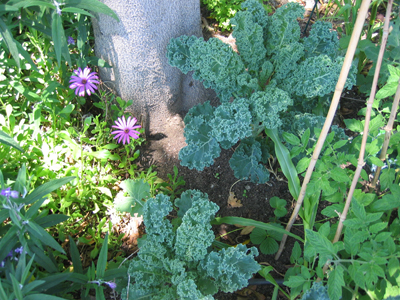
Veggies growing in the SF Rainbow Grocery parking lot, above and below


Find out more about urban farming on Novella Carpenter's blog. Note her links to other urban farms. Maybe there is one near you...

Other potential summer reading:

Our Life in Gardens by Joe Eck and Wayne Winterrowd
Deeply Rooted: Unconventional Farmers in the Age of Agribusiness by Lisa Hamilton

(books found on Civil Eats, my favorite agriculture/food-related blog)

July 16, 2009

cloth diapers


I had a baby in January. Before she arrived I had been thinking about what my choices were when it came to diapers. I couldn't help but think about how many diapers I'd be adding to a landfill [5-10 a day for 2-3 years?!?!]. I also really really dislike the smell of some diapers. They add this chemical fake baby powder smell that makes me cringe. If my nose can't stand it, how could I feel OK putting that up against a newborn's skin?? And don't get me started on the dumb cartoon characters. Why does everything have to be cross marketed that way?? I also I knew I'd be drop dead tired and most likely not up for any sort of complicated diapering plan. What could I do to do my part??

I researched g diapers ... but the thought of standing over a toilet with a wand in the middle of the night or saving those diapers until morning really didn't appeal to me.

Then I hit the gold mine in terms of cloth diaper info. I read ask moxie's cloth diaper posts part 1 and part 2 . OK - so the reality check is that even using cloth diapers isn't the best - but as much as I planned on being in tune with my baby, the elimination communication method probably wasn't going to work for me.

Realistically, I also knew there was no way I'd want to launder my own diapers. But there are some ways to make it easier than you'd think. check out soft cloth bunz or diaper pin for all the possibilities - and for articles and support on how to diaper at home. I wish I could be that hard core and good.

And then we got lucky. One of my friends gave us 3 months of a diaper service as a baby gift. ABC diapers is run out of Sacramento, CA and they serve the entire Bay Area. As Hayley mentioned in her last post - it's easy. You drop a bag of soiled diapers on your porch one night and the next day you get a whole bag of clean ones. [see the above blue bag] YES these services use water - and yes water is a scares and precious commodity in these parts - but I still feel better than if I used disposables. I don't have to contribute to what goes into manufacturing the diapers [if you want to know what goes into making a diaper - read here [eeewww] , shipping the diapers, disposing them. Although when my daughter goes to daycare I'll have to use disposables there - at least that will be only part time. YES ABC's delivery trucks use gasoline, but they are looking into bio diesel.... and at least we're talking delivery of a couple hundred miles instead of thousands of miles.

Sometimes I feel as though it's simply important to do what you can when you can. And trust that every little bit helps.

I do wish there was a good disposable that used recycled content. Seventh Generation eschews the chlorine - which is great - but still uses wood pulp [and doesn't list that it's post-consumer content]. There's also tushies diapers which like Seventh Generation are better for baby. But the magic better for the environment diaper that is convenient could be someone's million dollar money maker. [maybe anjolina jolie or some other celebrity environmentally conscious mom should champion this cause]

The cost of this diaper service is comparable to buying disposables. Maybe even cheaper. If you want to find a diaper service in your area try the national association of diaper services . If you are in So Cal... Hayley used this service.

Don't think it's tough to use cloth diapers out in the world. It's really not. Just keep a few extra in your bag... and be sure and keep some baggies [I like to use the bags that our Sunday paper comes in] to hold the dirty ones until you can get them home and into your pail. I ended up getting the vinyl sleeves to hold the diaper - so there is no pinning - just folding and velcro and snapping involved. Every couple of months I have to get the next size up sleeves. 3 has been a good number for me. 1 to wear 1 that's in some state of wash/dry and 1 as backup. What to do with these sleeves when you are done I still haven't figured out. I'd be happy to hand them down to someone - they are technically cleaned and washed [although no longer white and shiny] -- but I'm not sure I'll find a taker.

Plus having the diapers on hand is really a nice thing. They make great emergency breast pads/burp cloths, they clean windshields on cars like there's no tomorrow, they pick up cat puke incredibly well [and i didn't hear a peep of complaint from ABC about the mystery non baby mess], they are quick to catch the pee stream that always happens once you REMOVE the diaper [don't think this won't happen to you], and you can hand a clean one to the babe while you change them to keep them occupied [who knew a cloth diaper could be so fascinating?]


and the cat likes sleeping on them. How could I take away his favorite spot??

July 9, 2009

dish towels


I had always wanted to give up paper towels, but found convenient reasons to keep on buying them. My cloth dish towel collection was accumulating, and I was using them, but only for non-staining messes so not to dirty the towels. When I had a baby I was expected to enter the world of disposable everything. Troubled by the idea of creating excess trash, I made the controversial choice not to use disposable diapers, much to the surprising disgust of almost everyone. Who knew people would be so opinionated about me wanting to put cloth diapers into a bin, instead of disposable? I signed up for the service that dropped off 80 clothes a week, and picked up the dirty ones. Highly recommend to any new parent. Getting 80 cloths a week, that I didn't have to launder myself was one of the greatest things ever. I used them for everything, from spills, spit-ups, breast pads [not attractive but effective around the house], and of course, diapers. The best part was never worrying about running out, or having to go to the store to pick up a bulky case of diapers.

So then a funny thing happened, I ran out of paper towels and didn't notice. When I finally got myself out to the store, baby in tow, I cringed at the fact of lugging the groceries, baby, and towels up to my second floor apartment. It sounds petty, but as a single mom I have to carry everything myself, and when I have a large car load I feel like that farmer at the bank of the river, with the chicken, the bag of seed and the wolf. It's a balancing act that can't end with leaving the baby unattended on either end.

And now I use my cloth towels for everything. For staining messes like pitting cherries, or gross baby messes, or even just to eat an apple without dripping juices. And when they are dirty they get thrown in the wash along with our clothes. My towels may not be in pristine condition, they have stains and holes, the edges are getting raggedy, but I save money, time, armloads, landfills and hope I am setting a good example for my little plum. I am waiting for that day when she turns to me and says, "Can you believe they make towels out of paper and people just throw them away?"

A few tips:
  • Put a bin, basket or bag in the kitchen to put used rags- I use a bag that hangs over a metal storage rack.
  • If you have fancy towels, also buy a cheap set of plain one for the really messy stuff. I like the flour sack towels from Target- either white, or organic.
  • Old shirts and worn out clothes can be upcycled into towels. There are plenty of instructions out there, or just cut & hem.
  • If you do make your own- don't spend too much time on them or you will be less likely to use them. But don't stick with plain ones if that is not your style.
  • Store them in a convenient place where they are easy to grab. I keep a few hanging over a horizontal paper towel holder, and the rest folded in a kitchen rack, and some smaller ones in a pretty bowl.
Cheers!

*towels are a mix of Ikea, organic cotton from Target & vintage

July 2, 2009

spin green

spin green

at first, spinning yarn may seem like an esoteric art. even as a knitter and crocheter, i can't say that i gravitated towards learning how to spin. it seemed very hippie-earth-mother to me. over the years i have become more interested in learning the fundamentals of the most basic materials. this is similar to a baker wanting to grind his/her own grain. to truly understand a material you must go back to the source. since i probably cannot get away with raising my own sheep on my patio in the middle of washington dc (don't think i haven't thought about it), the closest that i can get to the basics of fiber arts is spinning yarn.

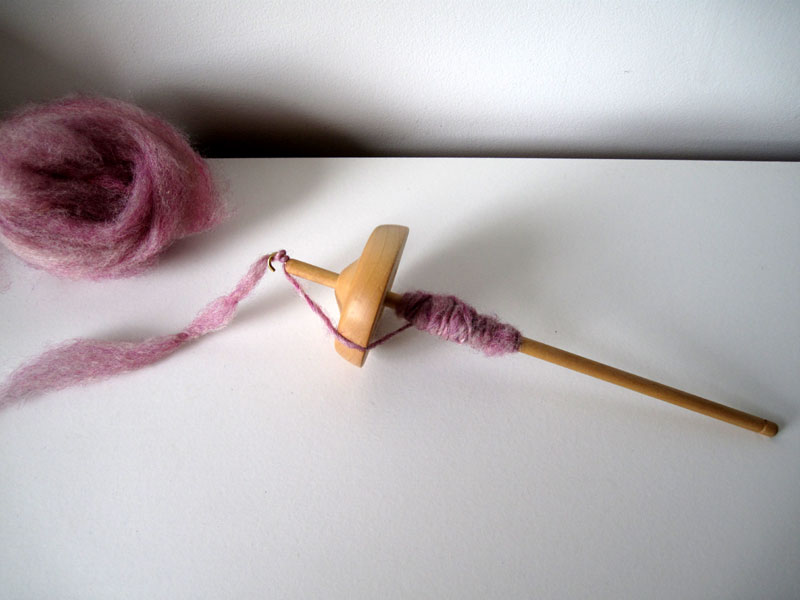
recently i took a drop spindle class with a friend at my local yarn store. i wanted to share with you a few things i learned...

first, spinning yarn is harder than it looks.
it is easy to learn because it is a simple concept- spinning animals fibers to add strength to it, but is by no means easy to make perfect yarn. roving, or any fiber drawn out to prepare for spinning, is easy to pull apart, like a cotton ball. amazingly, when you add a little twist to it, it gives it strength. the softer (and usually more expensive) the roving, the shorter the fiber the strands. short fiber strands break easily and are damn hard for a beginner to spin. so no merino, silk, or cashmere for me. boo hoo.

spin green: solitude farms roving
roving from solitude yarns

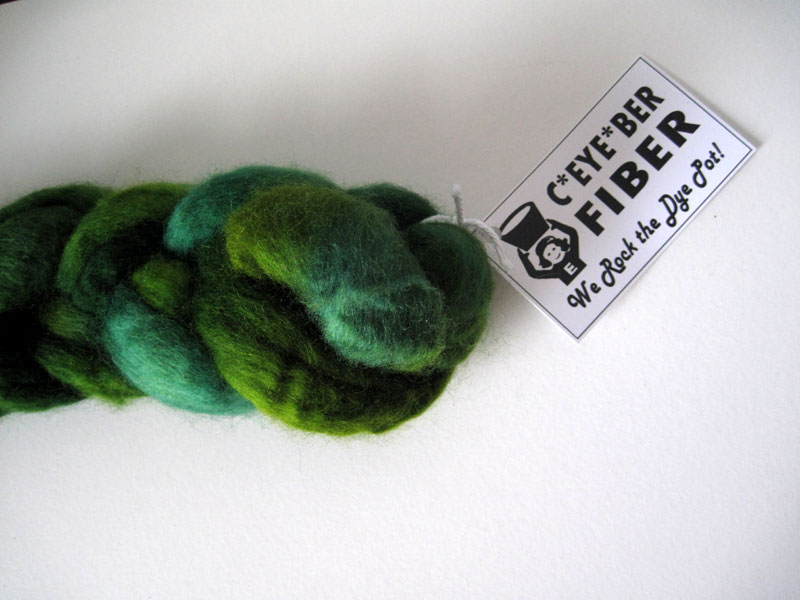
spin green: rovingfrom c.eye.ber.fiber
roving from c.eye.ber.fiber

second, spinning teaches you an awful lot about plants and animals.
where the fibers come from is integral to how it spins. so spinners are usually very knowledgeable about sheep breeds and the origins of fibers. BFL is a favorite. BFL is bluefaced leicester, a sheep breed known for soft but easy to spin fiber.

third, spinning is old.
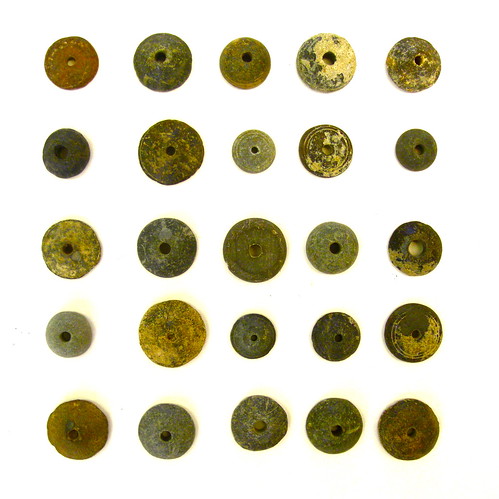
yarn was first made by rolling fibers between ones fingers and then wrapping it around a stick- that was the first spinning. drop spindles have been around not hundreds, but thousands of years. there are spindle whorls made from wood, bone, clay, glass, and just about anything. there are whorls from Roman ruins that date to circa 200 ad, as well as whorls found in Teotihuacan Valley in Mexico that date to 200-800 ad. all fabric prior to the 1500s was made using some kind of drop spindle.

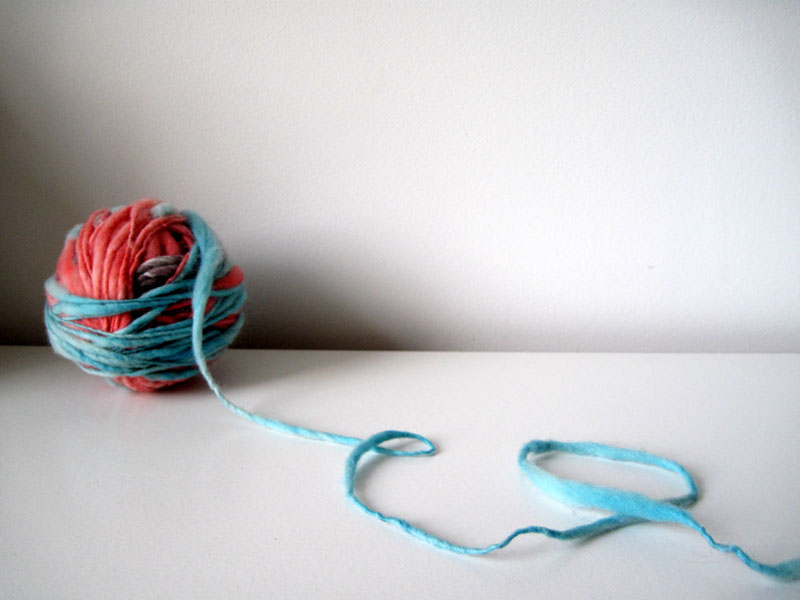
spin green: artisan pinkblue yarn

fourth, you can spin anything.
i mean anything. spinning artists have spun everything and anything you can think of- from recycled newspaper to old cassette tape.

spin green: newspaper yarn
photo from greenupgrader.com

fifth, spinning is green.
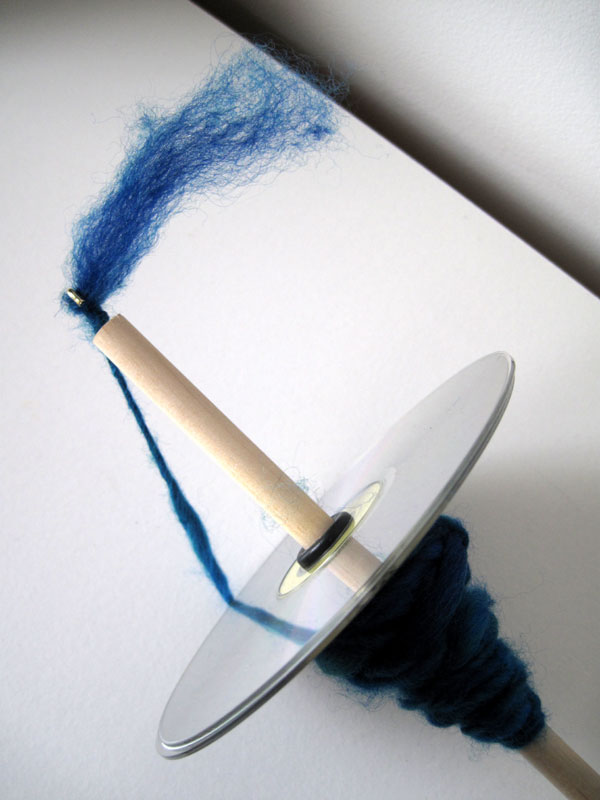
it requires very little. you don't even need to go out and buy an expensive artisan spindle (although it's awfully tempting)- you can even make your own spindle out of a dowel and an old CD (see directions here).

spin green: a spindlefrom a cd

you can use any fiber that's available to you. try something local, i bought some roving at the farmers market from my local farm, solitude yarns, or you can use recycled fiber, like newspaper or old cloth torn into strips (see here). i suggest that you start with some local roving and then move onto any fiber that strikes your fancy. it's a great thing to teach kids. it is easy and it teaches them to appreciate the work that goes into the clothes they wear.

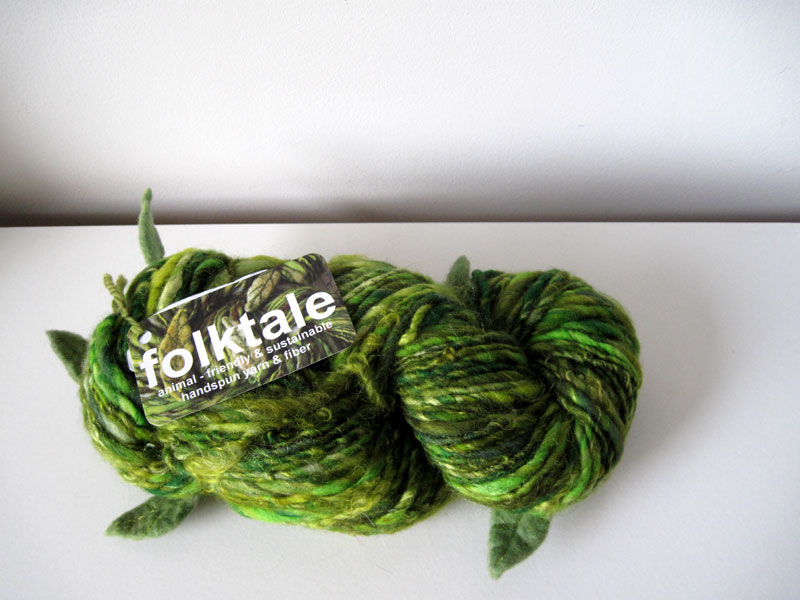
spin green: folktale yarn
yarn from folktale yarns

in a society where clothes are often temporary- purchased when fashionable and discarded shortly after, spinning reminds you of the history, evolution, and value of a single strand of fiber.

spin green: artisan blue yarn

June 25, 2009

Re-using design

Photo by Michael Moran

Green and the application of the term to the architecture and design is an often abused. I have known of professionals who label their designs “green” just because it had “natural ventilation" (i.e. the windows open). When I was in architectural school in the early nineties, Green had the stigma associated with hippy designs. These relied on centuries old rules-of-thumb. Buildings faced south, incorporated massive walls for heat retention (trom walls), and were usually in the form of geodesic dome. There was a movement towards legitimizing green architecture in the late 1990’s and the US Green Building Council sought to avoid casual and abusive application of the term by qualifying “green” through a LEED (Leadership in Energy and Environmental Design) certification system. The system codified everything from achieving healthier built environments (from air quality to daylighting) to encouraging the use of sustainable building materials and building practices.

Upon becoming familiar with the system for the book, The Good Office, that I coauthored with Kristen Becker, I was drawn to the emphasis the system put on the value of reducing waste through the reuse of items that would be slated for demolition. The LEED system declared there was a value to this architecture beyond just aesthetics.

When researching projects for my books on restaurant and office design, I found myself drawn to projects that incorporated the reuse of materials. From restaurants that reuse the instruments for eating in their design to an office that created an iconic design piece from items that would have been thrown away, the most green and inspiring designs demonstrated the synergy of a common material.

In my first book, Restaurants by Design, I reviewed a small restaurant in Manhattan’s Lower East Side. Confronted with a small space the designers took inspiration from the restaurants theme (seafood) and common serving utensil (the skewer). These applied en masse transformed the space and made you feel like you were on a sea bed amongst grass. The skewers had been collected over time and were reused (after washing) prior to installation. The design is representative of how how a green approach to design can not only transform a space, but take waste material and incorporate it into design.

Photo by Michael Moran

Only blocks from the Hudson river in Manhattan’s NOLITA, Smith and Mills integrates countless artifacts from a defunct machine factory in Brooklyn into the design for their small restaurant and bar. The former stable was changed into a cozy and hip bar with their collection of old machine jigs, engineering drawings, drafting equipment, and furniture. An old elevator makes the enclosure for the bathroom, all of the tables and stools are direct from the engineering drafting room. The items were selected to maintain an alluring aesthetic that carefully walks the line between a modern cocktail bar and an attic rich with history and long forgotten purpose.

Photo by Noah Kalina

Years before it was trendy to have a Green workplace, the marketing firm of Sedgwick Rd, hired Olson Sundberg Kundig Allen Architects to adapt an old machine shop into a new office space. After seeing the raw undemolished space, the design team saw the beauty in what most would want to throw away. The design team convinced the client to save some pieces for the old space by tapping into the marketing team's philosophy- to share ideas through an open office space . These reused items where integrated throughout the design, but most noticeably in the “Frankenstein” piece-a series of original elements that were mobilized with reclaimed castors mounted on old steel beams that allow for flexible definition of meeting space.

Photo by Tim Bies

I find inspiration in the spirit and execution of such environmentally and aesthetically responsible designs. Our society has made it easier to throw-away, rather than to save. These designs constantly change my perception of what is possible with everyday materials. It is easy to get comfortable with traditional materials and methods of construction. I have preferences that I defer to because I know them to be beautiful. When a design outside of those constructs catches my eye, it causes me to take a second look and ask critical questions. It redefines for me what is possible in a greener architecture.

June 18, 2009

we're back! did you miss us?

weekly bunch

We missed us!

How did it happen? Somehow the Sew Greeney goodness kind of petered out last year, and I think I can speak for all the contributors when I say this, but um, well, I was kind of busy and sort of let it slide.

But that's all in the past! We've regrouped and reorganized, and we are planning some fun new stuff for the summer. The Sew Green contributors list will finally include a dude (dude!), and we're hoping to have old friends come back and visit with guest posts from time to time as well.

If you don't already know us, the Sew Green contributors are a group of artists, crafters and designers. Some of us are also scientists, parents, gardeners, musicians, and a great number of other things, in our daily lives. We're trying do all that we do in ways that are more sustainable, and that's what we write about here (especially the art, craft and design part). It's important to all of us to not just make our own daily lives and work better, but to change the larger systems we live in to be more sustainable as well - though we all do it differently, from art to activism.

Be looking for weekly posts this summer, and let us know what else you want to see here. You can also follow our regular tidbits on Twitter. Thanks for sticking with us, or for coming by to check us out!

June 15, 2009

the price of food

never enough

i grew up in LA.
we were not the farmers market shopping, canvas bag toting, family biking type of family. it surprises me when i think back on it...
my mom was from germany and gravitated towards those things.
she always stopped at the roadside stands on the coast for strawberries & green beans wrapped neatly in white butcher paper.
she bought pasta and cheese at the italian grocer who flirted with my shy, soft-spoken, red-headed mother who always had at least 2 kids in tow.

sunday french toast

i care an awful lot about what i eat.
although i am not the chef of the house,
we are always trying to buy (& grow) all organic, local produce.

no doctors

my partner and i had a long discussion about a blog that he read
which has received a lot of press called $5 dinners.

market flowers

we couldn't get over how much praise she was getting for making cheap dinners with little regard (nutrition is mentioned) to the quality of food that she was feeding her children.

flower & bricks

now,
i totally understand that many families need to cut costs during these tough economic times, some have fewer choices than others,
but there is a cost/benefit depending on where you decide to cut.
i couldn't find on $5 dinners where she usually buys her food, but if she is buying most things on sale or with a coupon at prices, such as chicken breasts, sliced ($1.66), i think it's fair to make the assumption these are mass-produced items.
is this really the meat you want to feed your kid?

certainly you pay a price for buying cheap.

how can feeding the cheapest quality food to kids (or yourself) be the best way to cut cost? yet americans will cut food costs before they cut cable (also here).

my point is not to criticize this woman for trying to keep costs down
but rather to question why cost is the most important consideration.
i also want to emphasize that it is always important to recognize the place (and priviledge) from which our perspectives evolve.
not everyone has access to the same foods or the same choices.
i speak directly about those who DO have those choices.
if you are on the internet, blogging about food and what your family eats, then i think you have a certain responsibility to your readers.

i would argue for taking local vacations, cutting cable, your second car, or unlimited texting on your mobile but not sacrificing the quality of food.

as my partner put it,
the sacrifice that $5dinners talks about is only temporary... real sacrifice is sustainable...it has to be or we (or our children) will wind up here again.

we'd love to hear your thoughts.
xo

note: this was cross-posted here.

February 15, 2009

"If you need it get it. If you don't need it - forget it." -- Thelma May Beets b.1918

Over breakfast this morning I read my girls a really inspiring article in today's LA Times - memories of survivors of the Great Depression.

The children of those times learned things that they would remember for the rest of their lives. They discovered how to make endless pots of soup, how to use corncobs for fuel, how to make undergarments from bleached feed sacks. They learned the value of a wild imagination and honest neighbors.
They were good lessons.


You can read the article in its entirety here as well as images, and very moving audio from the interviews conducted.


cross-posted at twogreenchickens and jumilla bugs

February 11, 2009

book review: fruitless fall


wanted to recommend fruitless fall by rowan jacobsen to you all. the book is about the honey bee and colony collapse disorder (CCD), which is a serious threat to the honey bee (and therefor to life as we know it). while the topic is frightening and depressing, jacobsen managed to completely engage me in his book. almost every page is filled with fascinating information about bees and pollination and how bees are essential to us for so many reasons. even the more scientific info is really accessible.

i recommend reading this book in conjunction with the omnivore's dilemma, because CCD is almost certainly caused by the effects of industrial agriculture. for me it reiterates the urgent need to transform our broken agricultural system. in fruitless fall, jacobsen examines the myriad of factors that have been considered in trying to figure out why CCD is happening. in the end, CCD is mostly likely due to a combination of factors including:

*pesticide, herbicide and fungicide use (and the complete lack of studies on how various pesiticides, etc. react/combine with each other to become potentially exponentially more harmful) (pesticide use is probably the most influential factor. did you know pesticide safety is determined by test results reported BY THE PESTICIDE MAKERS!)
*the transport of hives (trucked cross country and flown between countries)
*bees forced to feed on monocrops (like almonds)
*habitat loss (lack of competition with wild bees, lack of varied nutrient sources)
*use of corn syrup to feed bees
*climate change
*development of wild and farm land (blocks flower scents)
*noise

*possibly even the structure of traditional bee boxes.

jacobsen goes into detail about how all of the above affects the honey bee, and i think you will be surprised by a lot of what you learn about these factors and how they interrelate.

so good! now i want to read some books he recommends, including the forgotten pollinators.

let me know what you think/thought of the book!

bee links
pollinator partnership
bee spotter

cross-posted at mecozy

January 12, 2009

box of food links


(photo of the excellent book fatal harvest, from the chapter where they talk about CSAs)

i find myself getting more and more into food/farm books/issues. here are some good links i've come across lately:

civil eats "promotes critical thought about sustainable agriculture and food systems as part of building economically and socially just communities." (i also love their logo.
)

local harvest is a great place to find sustainable farms and CSAs near you.

organic consumers association is a politically-focused site that posts great articles (from various sources). their millions against monsanto page is super informative and important. you can watch the documentary, the world according to monsanto here. i have only watched part of it, but that part was chilling and infuriating.

and finally, some action! if you are interested in getting america to move toward a more sustainable agriculture, you can sign a petition to get some good folks in beneath the agriculture secretary: food democracy now's sustainable dozen.

(cross-posted on mecozy)

December 22, 2008

last-minute ornaments

(posted today at f.pea)

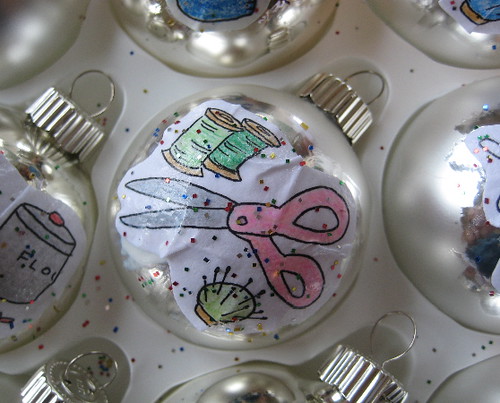
Scissor ornament

Last year I first tried my hand at making some découpage ornaments.

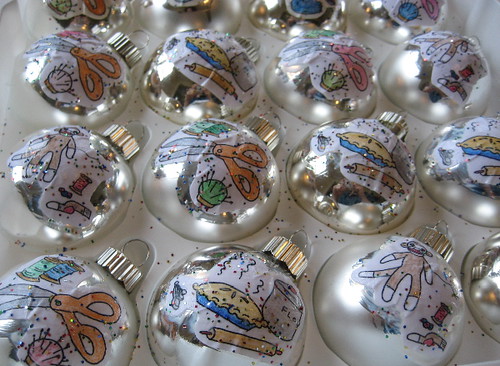
This is a fancy French way of saying that I glued some stuff on glass balls from the store. Sadly, the balls weren't hand-felted from locally-raised sheeps' fleece or anything like that, they were just on sale after Christmas. Glass (or glass-like) ornaments also turn up in the thrift stores right after Christmas, which is a good way to both be more green, and to stock up if you're one to plan holiday projects 11 months in advance.

Anyhow, last year I really had a great time with it, and decided to do it again this year. This is a fun project for one evening at home with some hot chocolate and a new album of holiday songs. It's a very kid-friendly project, as well. I'd love to see versions made from kids' drawings!

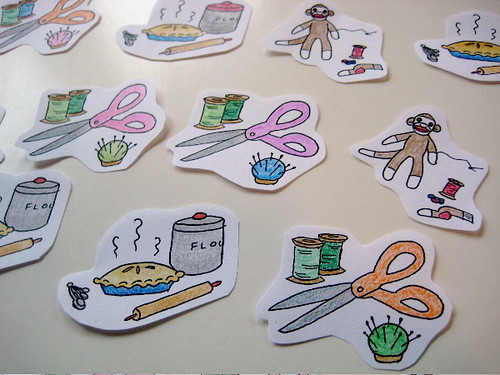
Last year I made a set of Darth Vader ornaments for a friend, made with dark purple glass balls, and Vader pictures from a comic book. This year I decided to use drawings I'd done myself of little crafty scenes, and a couple of boxes of silver balls, to make ornaments as little gifts for my friends.

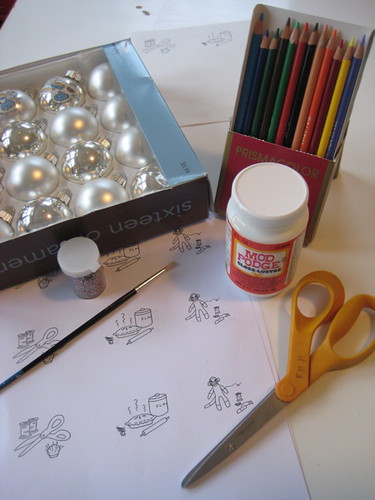
Here's everything you need for this project:

IMG_2740

1. A box of ornaments; 2. A set of small drawings (small enough to fit on your ornaments, which is pretty small); 3. Mod Podge glue and a paintbrush for applying it; 4. Colored pencils or crayons; 5. Scissors; 6. Glitter (optional, but why would anyone skip the glitter??).

Just color the little pictures and cut them out carefully. Don't use markers to color them - the glue could make the colors run. Crayons or colored pencils work best. When trimming the pictures, I like to cut away as much white space as I can - this eliminates paper wrinkles when you glue them onto the ornaments.

Little drawings, colored

Paint the back of a picture with Mod Podge, and then carefully place it on the ornament. Don't worry if it doesn't lie flat at first. Paint over the top of the picture, smoothing it down as you go. There will probably be some minor wrinkles - just try to keep them in the blank spaces rather than in the drawing itself. Flatten them down with the handle of your paintbrush, and make sure that everything is lightly and smoothly painted over with glue.

Sprinkle lightly with glitter. Really, a light touch is plenty here. The ones I did when I was generous with the glitter don't look half as good.

That's it! You can do a whole box of ornaments on one mug of hot chocolate if you're quick.

Crafty ornaments

====
Okay Sew Greeners, I know you can come up with some ways to make this project even greener. I've been thinking about greener sources for the ornaments themselves (the thrift store, your attic...). What else could I do to make this a more eco-friendly project in the future??